
As a sophomore in college juggling studies and the pursuit of valuable internships, I’ve often found myself at the crossroads of academic commitments and the quest for professional experience. The challenge is managing time and acquiring and refining the skills necessary for professional success. I’ve learned that soft skills, particularly communication, teamwork, and adaptability, are crucial among these.
The Realisation
During my first internship, I quickly realised that what set successful professionals apart wasn’t just their technical knowledge and mastery of soft skills. How they communicated, collaborated, and adapted to changes made the difference. This was a wake-up call. I needed to enhance these skills not just to survive but to thrive in the professional world.
The Importance of Communication
Effective communication is more than just speaking or writing well. It’s about conveying your ideas clearly, listening actively, and understanding non-verbal cues. In professional settings, this means articulating your thoughts in meetings, writing concise emails, and building rapport with colleagues and clients.
Teamwork: A Pillar of Professional Success
Working well in a team is indispensable in a world that increasingly values collaboration. It’s about respecting diverse opinions, contributing effectively, and sometimes leading the charge. Teamwork isn’t just about achieving goals; it’s about creating an environment where everyone can do their best work.
Adaptability: The Key to Thriving in Change
The only constant in today’s professional landscape is change. Being adaptable means being open to new ideas, willing to learn, and able to pivot strategies when necessary. This skill is essential as industries evolve and job roles become more dynamic.
Finding a Solution: The Role of Workshops
Realising my need to develop these skills, I attended some workshops run by my college, like the “Communication, Interview Techniques & Employment” offered by TESYouth. These workshops provided hands-on experiences and practical tips that went beyond theoretical knowledge. They offered a safe space to practice, make mistakes, and learn from them.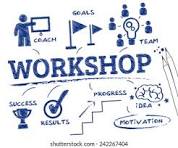
The Transformation
Through these workshops, I noticed a transformation. I became more confident in expressing my ideas and more effective in collaborative projects. I learned the art of giving and receiving feedback, which is crucial for personal and professional growth. These skills were beneficial for my internships and gave me a competitive edge in academic projects.
Conclusion: A Call to Action
For fellow students striving to find their footing in the professional world, I cannot emphasise enough the importance of soft skills. Invest time in developing these skills. Seek workshops mentorships, and practice these skills in real-life scenarios. Remember, technical skills may get your foot in the door, but soft skills open multiple entries in your career journey.
References:
- Robles, M. M. (2012). Executive Perceptions of the Top 10 Soft Skills Needed in Today’s Workplace. Business Communication Quarterly, 75(4), 453-465.
- Buhler, P. (2001). Managing in the new millennium: Six tips to more effective communication. Supervision, 62(6), 3-5.
- Durodoye, B. A. (2013). Teamwork as an Essential Component of High-Reliability Organizations. Health Care Manager, 32(3), 203-209.